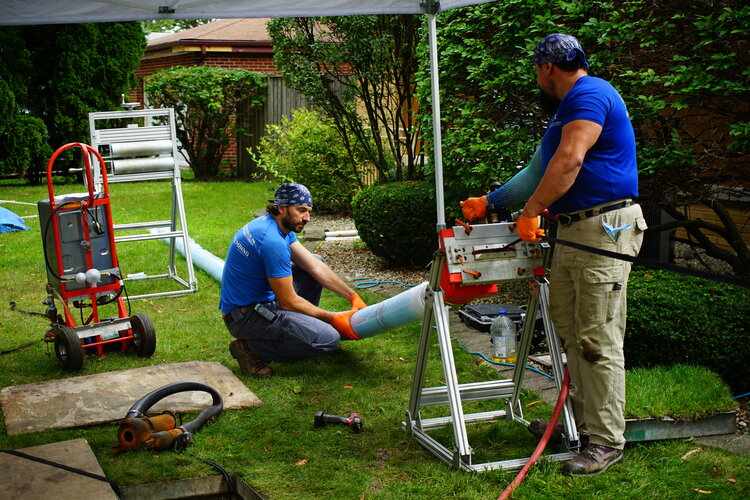
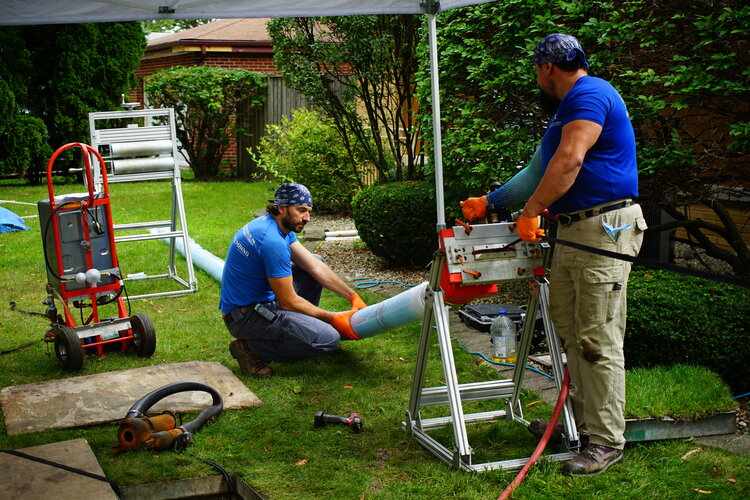
If you’re a Chicago homeowner or property manager, you know sewer problems are serious. From slow drains to complete blockages, sewer line issues can disrupt daily life and cause significant property damage if left unchecked. One of the most reliable and cost-effective solutions to keep your sewer lines flowing freely is Chicago sewer rodding.
In this comprehensive guide, we’ll explain what sewer rodding is, how it works, why it’s popular in Chicago, and—most importantly—break down the step-by-step process that professionals use. By the end, you’ll understand how this technique can help maintain your plumbing system, prevent emergencies, and save you money in the long run.
What Is Sewer Rodding?
Sewer rodding is a method of clearing blockages from sewer and drain lines using flexible steel rods. These rods are connected to create the length needed to reach and break up clogs deep within your pipes. Unlike chemical drain cleaners, rodding physically dislodges debris, roots, grease, or other obstructions, restoring the full flow of your plumbing system.
Chicago’s older neighborhoods, with their aging clay or cast-iron sewer pipes and heavy tree coverage, make sewer rodding especially popular here. It includes:
Tree root intrusions
Accumulated grease and soap scum
Paper or hygiene product clogs
General debris buildup
Why Choose Sewer Rodding in Chicago?
Before diving into the step-by-step process, let’s quickly explore why this technique is so common in Chicago:
Old Infrastructure: Chicago has many century-old homes and pipes. Older sewer systems are more prone to clogs, root intrusion, and collapses.
Tree-Lined Streets: Roots naturally seek water and often infiltrate cracked sewer pipes, creating tough blockages.
Cost-Effective: Compared to full sewer replacements or trenchless pipe bursting, rodding is an affordable maintenance or first-response option.
Preventative Maintenance: Routine rodding keeps drains flowing freely and can prevent costly backups into basements—an all-too-common problem in Chicago.
Step-by-Step Guide to Sewer Rodding
Below is a typical, professional approach to sewer rodding in Chicago:
Initial Inspection and Assessment
Before starting any work, a licensed plumber or sewer technician will assess the problem:
Interview the homeowner: Ask about symptoms (slow drains, backups, foul odors).
Check multiple fixtures: Determine if the blockage is local (a single sink) or in the main sewer line.
Review history: Identify past issues or repairs that may inform the current problem.
For stubborn or recurring clogs, many plumbers also conduct a video camera inspection. This involves feeding a waterproof camera into the sewer line to pinpoint the location, severity, and type of blockage. This step is crucial in older Chicago systems where root intrusions or collapsed pipes are common.
Accessing the Sewer Line
Once the problem is diagnosed, the next step is to assess the sewer line:
Locate a cleanout—a capped pipe fitting that provides direct access to the sewer line.
In many Chicago homes, the cleanout is in the basement, crawl space, yard, or sidewalk area.
Assembling the Rodding Equipment
Professional rodding machines typically consist of:
A motorized base with a drum or reel.
Flexible steel rods or cables with attachable cutting heads.
Interchangeable tips (blades, cutters, augers) designed for different clogs.
The technician selects the appropriate cutting head based on the clog type. For example:
Grease buildup: Smaller blades or corkscrew heads.
Tree roots: Larger, more aggressive root-cutting blades.
Locating and Breaking the Blockage
As the rod advances, the cutting head makes contact with the blockage:
The technician uses the motor to spin the cutting head, breaking up roots, grease, or debris.
For stubborn blockages, the rod may be retracted and re-inserted several times.
Water may be flushed through the system to help carry debris away.
This process continues until the rod passes freely through the line, indicating that the clog is fully cleared.
Flushing and Testing the Line
After the blockage is cleared, the sewer line is thoroughly flushed:
Clean water is run through the pipes to remove any remaining debris.
Technicians often use high-pressure water or hydro jetting as a secondary step if needed (for grease-heavy lines).
Finally, all fixtures are tested:
Sinks and tubs are drained.
The cleanout is checked for proper flow.
This step confirms that the line is clear from the home to the city sewer connection.
Camera Inspection
After rodding, many professionals offer a follow-up camera inspection:
Verifies the clog is fully cleared.
Identifies any pipe damage (cracks, breaks, offsets).
Documents the condition of the line for the homeowner.
In older Chicago systems, this is invaluable. It helps homeowners plan future repairs or maintenance before emergencies happen.
Cleanup and Recommendations
The final step is to:
Clean the work area thoroughly (no mess left behind).
Re-cap the cleanout securely.
Provide the homeowner with maintenance tips.
Professionals will often suggest:
Scheduling routine maintenance rodding (every 1-2 years).
Considering pipe lining or replacement if damage is found.
Benefits of Professional Sewer Rodding in Chicago
While it's possible for minor drain clogs, professional rodding is recommended for sewer lines because:
Pros have the right equipment for long main sewer runs.
They know how to select the right blades to avoid pipe damage.
Licensed plumbers can spot serious issues that need repair.
Professionals follow city codes and safety procedures.
A clogged sewer isn’t just inconvenient—it’s a health hazard. Professional rodding helps prevent sewage backups into basements and protects property values.
Conclusion
Chicago sewer rodding is a proven, affordable, and effective solution for keeping Chicago’s aging sewer systems flowing freely. By understanding the step-by-step process, homeowners can make informed decisions about maintaining their plumbing and preventing costly emergencies.
If you’re experiencing slow drains, backups, or suspect root intrusion in your sewer line, don’t wait. Contact a trusted company for professional sewer rodding service. Proactive maintenance can save thousands in cleanup and repair costs.

Write a comment ...