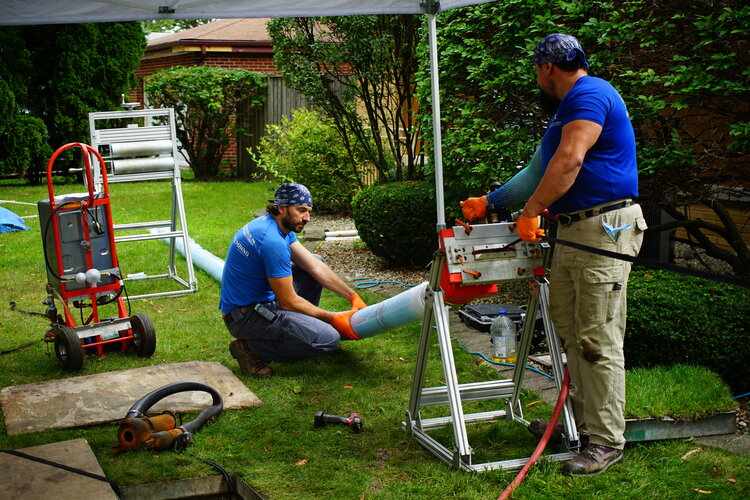
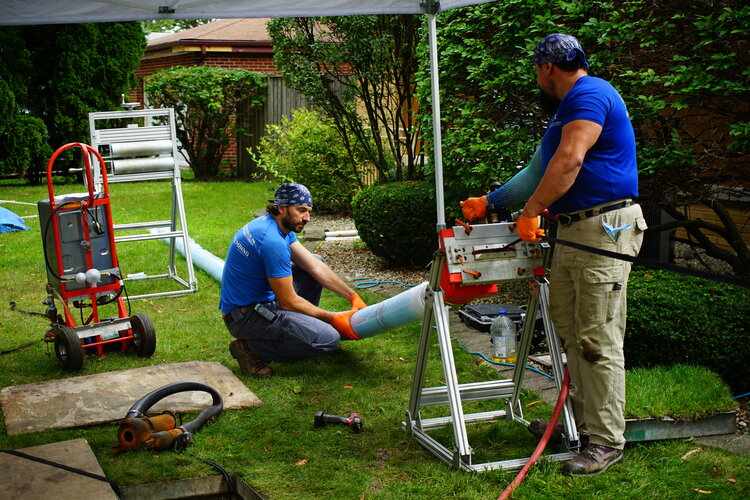
Many homeowners assume that if their sinks or washrooms are draining, their plumbing system must be in perfect condition. But the truth is, hidden issues can quietly develop beneath the surface—often going unnoticed until they turn into expensive emergencies. That’s why searching for a sewer inspection near me is one of the smartest preventative steps you can take to protect your home and avoid unexpected repair costs.
In this blog, we’ll break down why sewer inspections are essential, what problems they uncover, and how help you save money, time, and stress in the long run.
Why “Working Pipes” Don’t Always Mean Healthy Pipes
It’s easy to assume everything is fine when your plumbing appears to function normally. However, your sewer line operates underground, out of sight, and often out of mind. Small cracks, blockages, or tree root intrusions can begin developing without any immediate warning signs.
By the time you notice slow drainage, foul odors, or sewage backups, the issue may already be severe—and costly to fix. Regular inspections allow professionals to detect these problems early, before they escalate into major repairs.
What Is a Sewer Inspection?
A sewer inspection is a professional service that uses advanced camera technology to examine the inside of your sewer lines. A small, high-resolution camera is inserted into your pipes, providing a clear, real-time view of their condition.
This process helps identify:
Cracks or pipe damage
Tree root intrusion
Blockages or clogs
Corrosion or deterioration
Misaligned or collapsed pipes
Unlike traditional methods, camera inspections are non-invasive, meaning no digging or disruption to your property.
Common Problems Found During Sewer Inspections
Even in homes that seem perfectly fine, sewer inspections often reveal hidden issues. Here are some of the most common problems professionals encounter:
1. Tree Root Intrusion
Tree roots naturally seek out moisture, and your sewer line is a prime target. Over time, roots can penetrate small cracks and expand, causing serious blockages or even pipe collapse.
2. Grease and Debris Buildup
Everyday activities like cooking and washing can lead to grease, soap, and debris accumulating in your pipes. This buildup gradually restricts flow and can result in stubborn clogs.
3. Pipe Corrosion
Older pipes, especially those made of cast iron or clay, can corrode or deteriorate over time. This weakens the structure and increases the risk of leaks or breaks.
4. Hidden Leaks
Small leaks may not be noticeable immediately, but can lead to water damage, mold growth, and increased utility bills if left untreated.
When Should You Schedule a Sewer Inspection?
While sewer inspections are beneficial at any time, there are specific situations where they become especially important:
Before Buying a Home
A home inspection may not always include a detailed sewer check. Scheduling a sewer inspection ensures there are no hidden plumbing issues before you finalize your purchase.
Before Selling Your Property
Providing proof of a healthy sewer system can increase buyer confidence and help you close deals faster.
After Frequent Drain Issues
If you’re experiencing recurring clogs or slow drainage, it’s a sign that there may be a deeper issue within your sewer line.
Older Homes
Homes with aging plumbing systems are more prone to damage and should be inspected regularly.
After Major Storms or Construction
Environmental changes can impact underground pipes, making inspections a smart precaution.
Benefits of Getting a Sewer Inspection
1. Prevent Costly Repairs
Early detection is key. Fixing a minor crack or blockage is far less expensive than replacing an entire sewer line.
2. Save Time and Stress
Unexpected plumbing emergencies can disrupt your daily life. Regular inspections help you avoid these inconvenient situations.
3. Improve System Efficiency
Clean, well-maintained pipes allow water and waste to flow smoothly, improving overall plumbing performance.
4. Protect Your Property Value
A well-maintained sewer system adds value to your home and prevents potential damage to your foundation or landscaping.
5. Eco-Friendly Solution
Fixing leaks and maintaining efficient pipes reduces water waste and environmental impact.
How the Sewer Inspection Process Works
Understanding the process can help you feel more confident about scheduling an inspection.
Initial Assessment – A professional evaluates your plumbing system and identifies access points.
Camera Insertion – A waterproof camera is inserted into the sewer line.
Live Footage Review – The technician monitors the footage in real time to identify any issues.
Detailed Report – You receive a clear explanation of the findings along with recommended solutions.
The entire process is quick, efficient, and minimally disruptive.
Signs You Shouldn’t Ignore
Even if your plumbing seems fine, watch out for these warning signs:
Slow-draining sinks or tubs
Frequent clogs
Unpleasant odors
Gurgling sounds from pipes
Wet spots in your yard
Sudden increase in water bills
If you notice any of these, it’s time to act before the problem worsens.
Why Choose Professionals for Sewer Inspection?
DIY solutions may seem tempting, but sewer inspections require specialized tools and expertise. Professional plumbers have the experience and equipment needed to accurately diagnose problems and recommend effective solutions.
They also ensure safety and compliance with local plumbing standards, giving you peace of mind that the job is done right.
Conclusion
Hidden issues can develop over time, leading to costly repairs and unexpected disruptions. Taking a proactive approach by searching for a sewer inspection near me ensures that your sewer system is thoroughly checked, giving you confidence and peace of mind.
Investing in regular inspections is not just about fixing problems—it’s about preventing them. By staying ahead of potential issues, you protect your home, save money, and maintain a reliable plumbing system for years to come.

Write a comment ...